Congolese Cultural Leader Urges Africans to Preserve Their Heritage During LNTA Visit

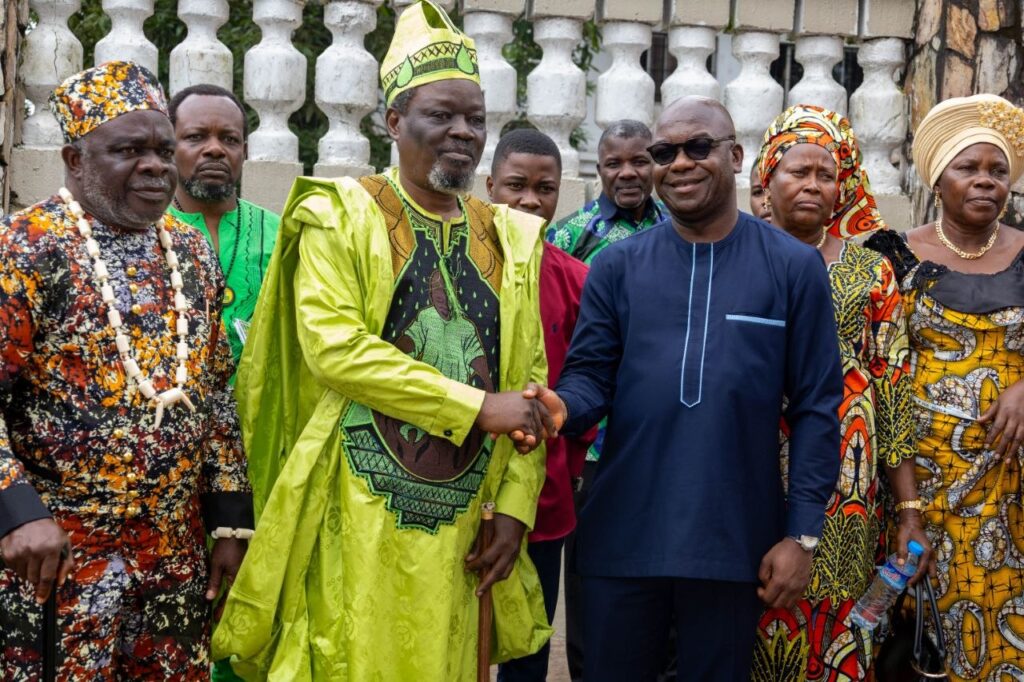
Monrovia, Liberia — Chief Vivumu, a Congolese cultural advocate who has travelled across more than 20 African countries, has urged Africans to embrace their heritage, strengthen cultural ties and take greater pride in the continent’s diverse traditions.
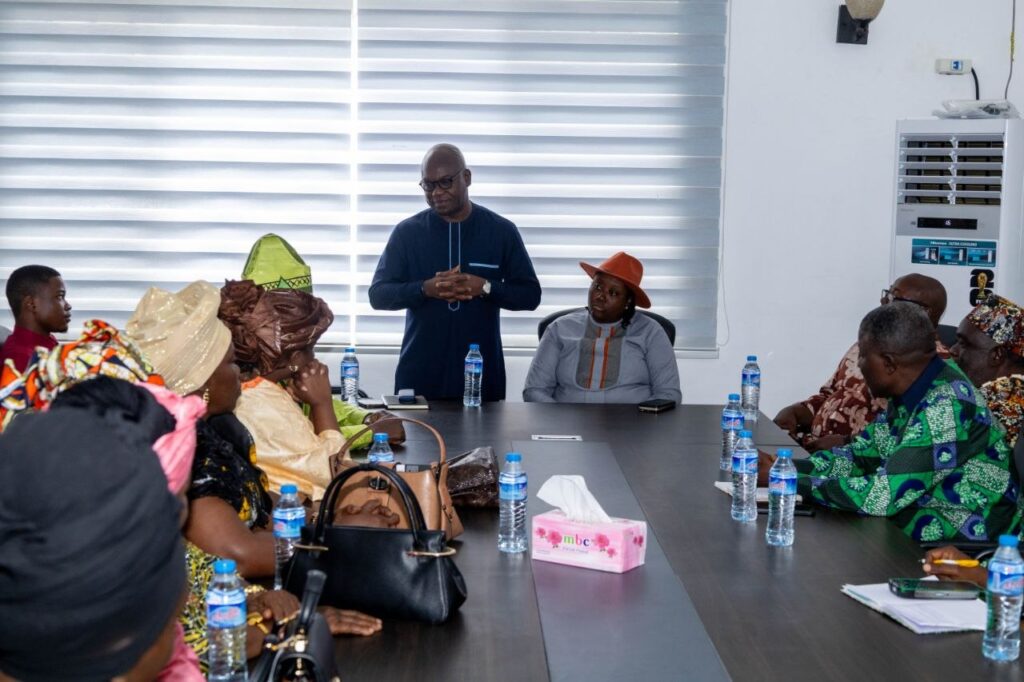
A delegation of more than 15 visitors from the Democratic Republic of Congo visited the Liberia National Tourism Authority (LNTA) on Monday, September 21, 2026, as part of a cultural exchange focused on African identity, cultural preservation and stronger connections among African nations.
The delegation was officially received by LNTA Acting Director General, Hon. Melvin Nye, and Deputy Director General for Marketing and Promotions, Atty. Jani J. Kollie, along with other officials of the Authority.
Welcoming the delegation, Acting Director General Nye thanked the team for visiting the Authority and expressed appreciation for the engagement. He noted that the collaboration with the Liberia Council of Elders for Peace was welcomed by LNTA, particularly as it creates opportunities to strengthen cultural exchange, people-to-people connections and cooperation around heritage and tourism.
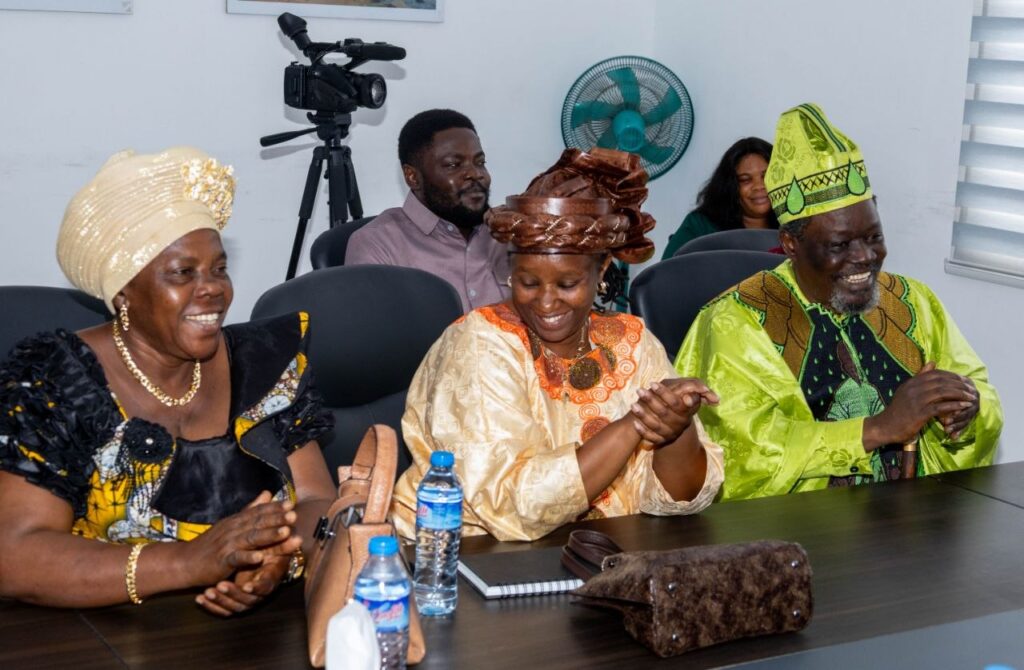
In a gesture warmly appreciated by the visiting delegation, Hon. Nye delivered part of his remarks in French, creating an immediate connection with the Francophone visitors and reinforcing the spirit of hospitality, friendship and regional cooperation that characterized the engagement.
Led by Chief Vivumu, a visually impaired Congolese cultural advocate, the delegation’s visit provided an opportunity for dialogue on Africa’s cultural heritage, indigenous knowledge and the role of tourism in strengthening relationships across the continent.
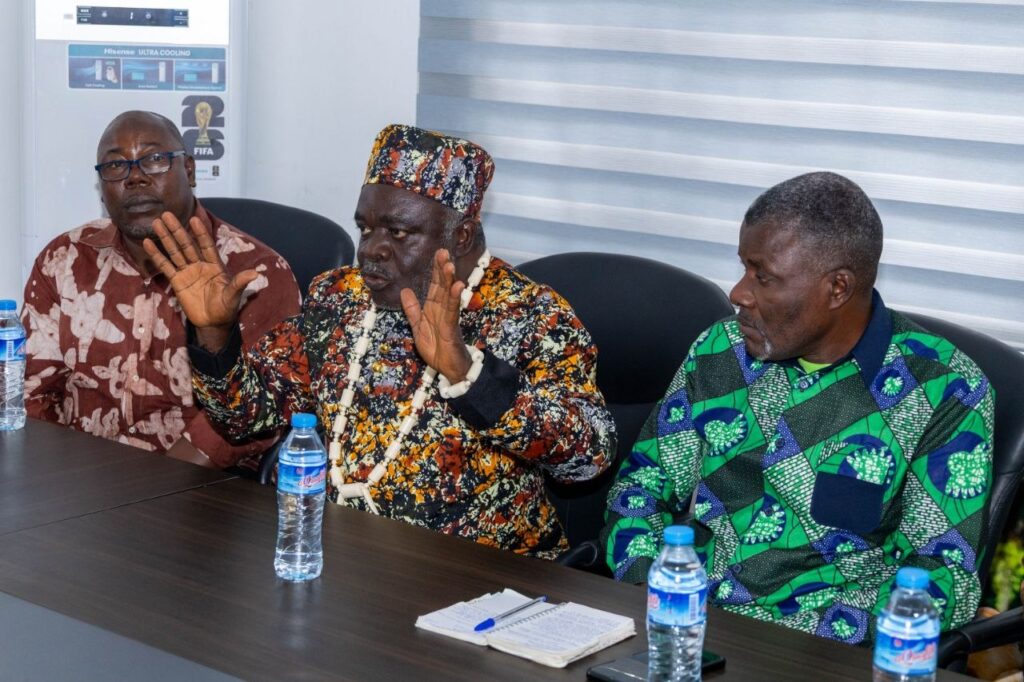
During the engagement, Chief Vivumu encouraged Africans to take greater pride in their cultural heritage and deepen connections among African countries. He emphasized that Africa’s cultural identity extends far beyond how it is sometimes portrayed internationally.
According to Chief Vivumu, some Western perceptions reduce African culture largely to traditional dancing and performances, overlooking the continent’s history, knowledge, customs, food, languages, traditional practices and ways of life.
“African culture is more than what they think,” he said, calling for greater recognition and preservation of Africa’s cultural heritage.
Chief Vivumu also spoke about traditional medicine, encouraging Africans to learn more about indigenous knowledge and traditional healing practices. He noted that African communities relied on traditional remedies long before the introduction of Western medicine and called for greater appreciation and preservation of that knowledge.
A Special Connection to Liberia
Reflecting on his travels across the continent, Chief Vivumu said Liberia stood out to him for its unique and rich culture.
He also called for stronger African unity and encouraged Africans to build deeper connections with one another across national borders.
As part of his reflections on African identity, he questioned the continued use of terms such as “African-American,” suggesting that African identities should also reflect connections to individual African countries and cultures. He proposed the term “Afro-Liberian” as an expression of identity connected to Liberia.
Chief Vivumu also shared a story about beniseed, explaining that the food is not commonly eaten in parts of Congo because of how it was historically described by Westerners. During his visit to Liberia, however, he expressed a desire to experience the ingredient for himself and asked that it be prepared for him.
The visit underscored the role of tourism beyond attracting international visitors. It demonstrated how travel can create opportunities for Africans to discover one another, exchange cultural experiences and strengthen relationships across the continent.
The Liberia National Tourism Authority continues to promote Liberia as a destination where visitors can experience the country’s culture, heritage, history, cuisine and communities while advancing cultural exchange and intra-African tourism.