
LNTA Director General Hon. Princess Eva Cooper Promotes “Service as Leadership” Pathway at Cuttington University

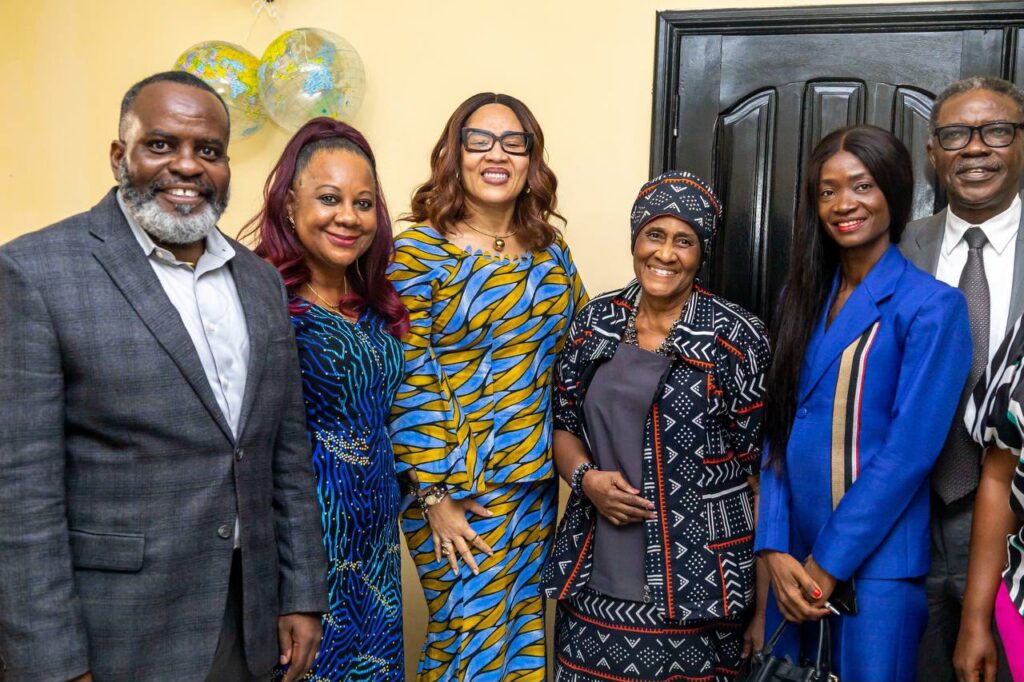
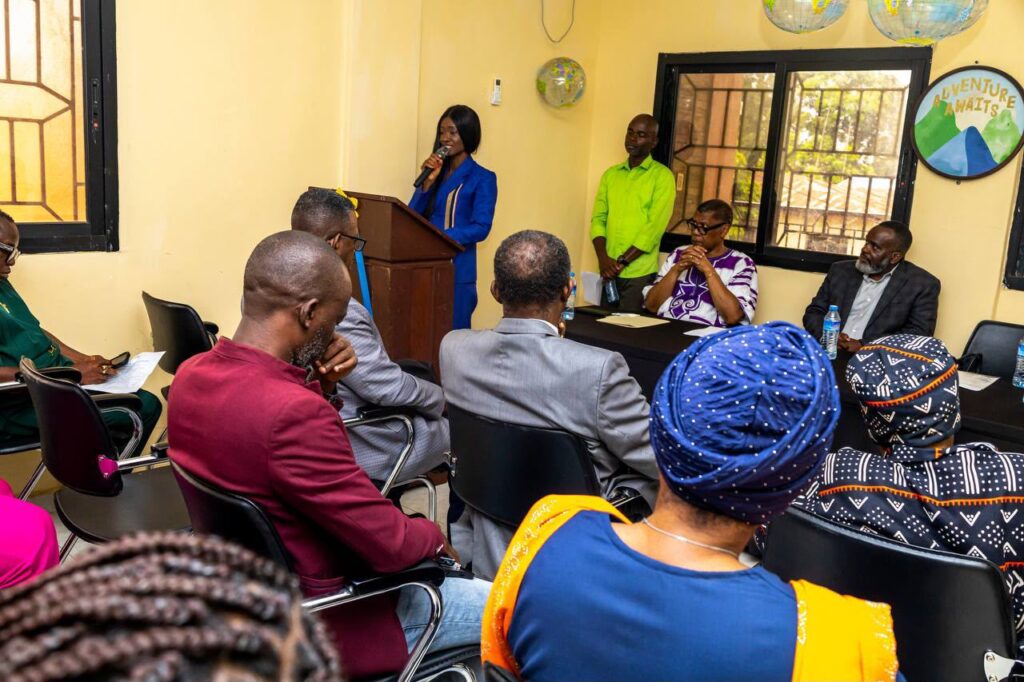
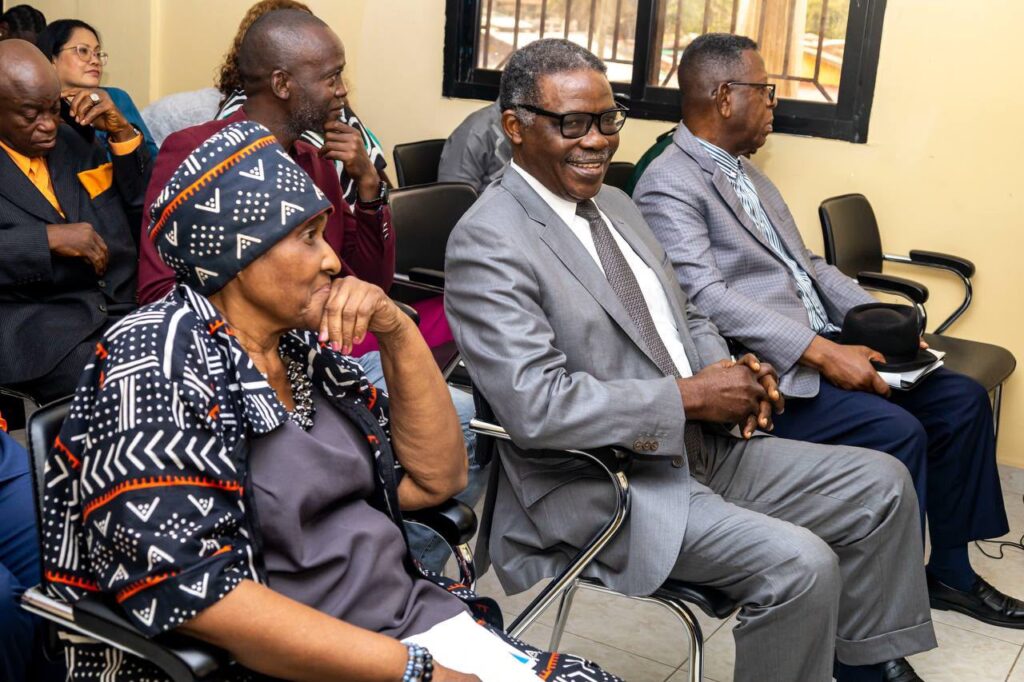
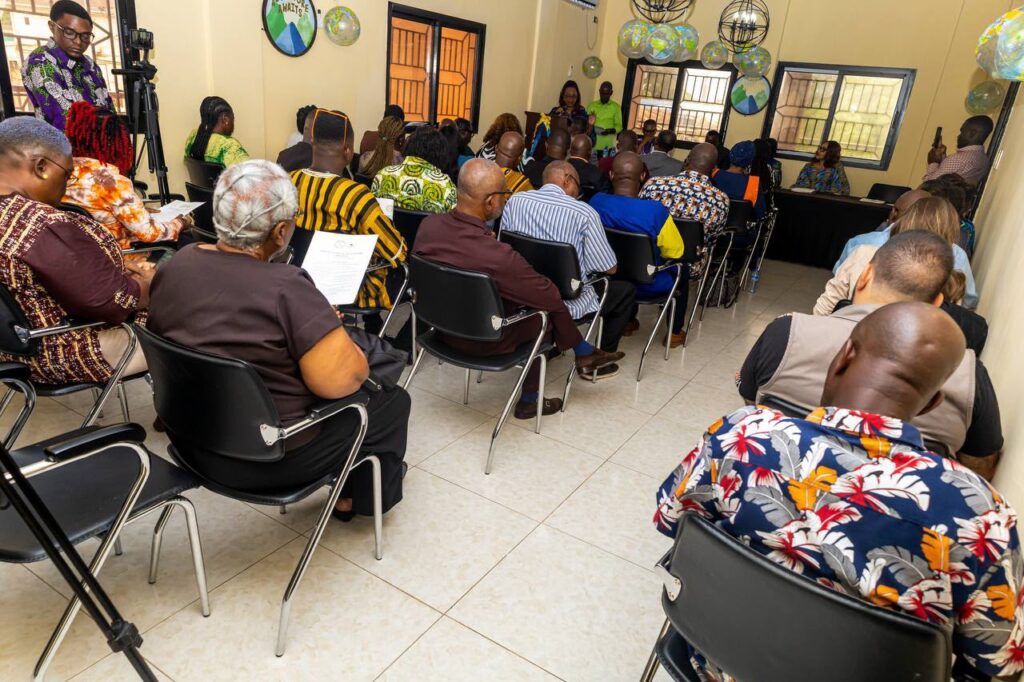
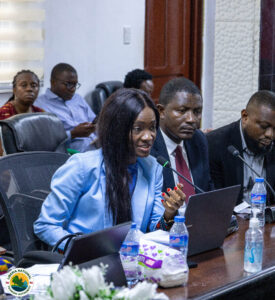
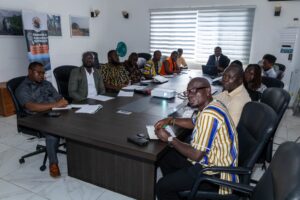
Monrovia, Liberia – June 10, 2026 – The auditorium of the Impact Center at Cuttington University was filled early Tuesday morning with ambassadors, government officials, faculty members, private sector leaders, educators, students, and journalists gathered for the official launch of The Leadership Institute at Cuttington University, a new initiative aimed at developing Liberia’s next generation of public and private sector leaders.
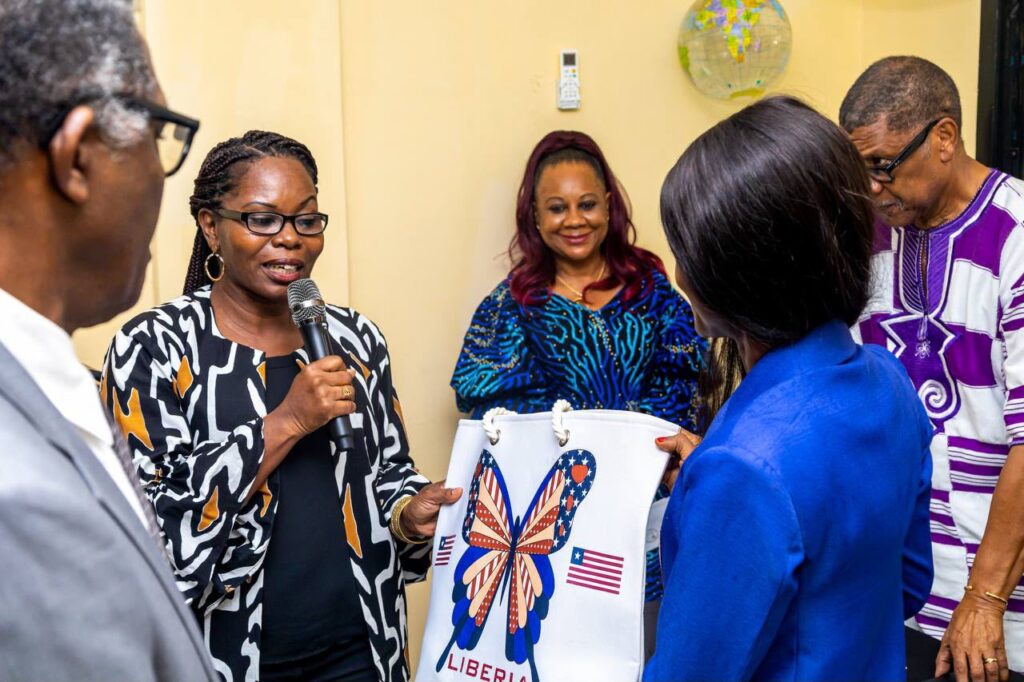
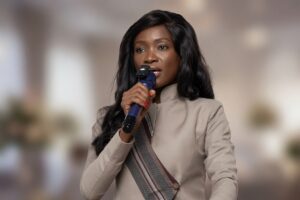
The energy in the room heightened as the keynote speaker, Hon. Princess Eva Cooper, Director General of the Liberia National Tourism Authority (LNTA), entered the auditorium to deliver the keynote address and officially launch the Institute.
Addressing the audience, Hon. Cooper acknowledged distinguished guests and noted that she stood before them not as a professor, but as the current Director General of the Liberia National Tourism Authority.
She opened her remarks with a thought-provoking question: “What does tourism have to do with leadership?” before answering, “Everything.”
“Tourism is the art of showing visitors the soul of a nation, and leadership is the art of showing a nation the best version of itself,” she said.
Hon. Cooper explained that she carried a dual responsibility on the occasion. “First, as the chief launcher of this Institute, and second, as someone speaking directly to the leaders in this room who have chosen to close the gap between the leaders they are today and the leaders they aspire to become.”
She noted that the dissatisfaction caused by that leadership gap is precisely why The Leadership Institute was established.
Addressing the need for the Institute, Hon. Cooper challenged participants to reflect on Liberia’s leadership trajectory.
“Some may ask why one of Liberia’s oldest universities still needs a leadership institute,” she said. “The answer is simple: Liberia has suffered for too long from a leadership deficit. We have had administrators, bosses, and people with impressive titles and privileges, yet our country remains underdeveloped.”
According to Hon. Cooper, Liberia’s challenges are not rooted in a lack of resources but in a leadership pipeline that often fails to prioritize character and service.
“We teach our children to pass examinations, but not always to pass the test of temptation. We sometimes reward those who climb quickly, even when they have stepped on others along the way,” she remarked.
She further observed that Liberians often engage passionately in debates, arguments, and radio discussions, yet meaningful progress remains elusive.
“We have had many people in charge but very few in service. We have had many directives but very little direction,” she said.
Defining leadership, Hon. Cooper challenged conventional assumptions.
“Leadership is not a position. You can hold a title and still fail to bring hope to a single person. Leadership is not popularity. Some of the greatest leaders in history were unpopular during their time, while some of the most popular leaders have done more harm than good.”
She also emphasized that leadership is not eloquence or age.
“We have heard beautiful speeches from leaders who steal in silence. Eloquence without ethics is entertainment, not leadership. Likewise, leadership is not determined by age. I have seen twenty-year-olds with the wisdom of elders and sixty-year-olds with the selfishness of toddlers.”
Hon. Cooper described leadership as the willingness to take responsibility for the wellbeing of others, even when no one is watching and when there is no personal gain.
“If this Institute produces leaders who can design brilliant policies but cannot improve the lives of people, then we have failed. If it produces leaders who can win elections but lose their integrity, then we have failed. If it produces leaders who can manage budgets but cannot manage their egos, then we have failed,” she stated.
Throughout her address, Hon. Cooper spoke to two audiences simultaneously: current leaders and the Leadership Institute itself.
“To the sitting leaders in this room, let me say something others may be reluctant to tell you: many of you have reached a ceiling not because you lack intelligence or work ethic, but because the skills that brought you to your current position are not the same skills that will take you to your next one.”
She explained that many professionals are promoted because they excel at performing technical tasks, only to discover that leadership requires an entirely different set of competencies.
Turning her attention to the Institute, Hon. Cooper stressed the importance of contextualized leadership education.
She urged the institution to ensure that its programs reflect Liberia’s realities and equip participants to develop practical solutions to contemporary national challenges.
“Context matters,” she said. “Without understanding the realities facing our communities, leadership training risks becoming theoretical rather than transformational.”
She also emphasized the need to cultivate a culture of feedback, where leaders can receive honest, constructive, and sometimes difficult assessments within a safe learning environment.
“It is imperative that this Institute becomes a place where leaders hear honest, loving, and even brutal feedback that helps them grow,” she noted.
Among her recommendations was the requirement for participants to engage in legacy projects that produce measurable impact in their communities.
As a practical example, Hon. Cooper encouraged the Institute to recruit facilitators who are not merely academics but practitioners with real-world experience.
“The nurse in Lofa County who operates a clinic without electricity should be invited to share lessons in resilience and innovation. The former rebel who chose peace over war should help teach conflict resolution and peacebuilding. Traditional chiefs who have governed communities for decades should also have a seat at the table,” she said.
She argued that leadership education should be grounded in lived experience and practical problem-solving rather than theory alone.
The launch ceremony concluded with a prayer offered by Rev. Fr. Terry Quoi, Associate Vice President of Cuttington University Junior College.
The establishment of The Leadership Institute marks a significant step in Cuttington University’s efforts to strengthen ethical leadership, public service, and professional excellence in Liberia, while reinforcing the growing national conversation around leadership as a vehicle for transformation and development.