LNTA Director General signs major MoUs in Malta to boost the Tourism Sector

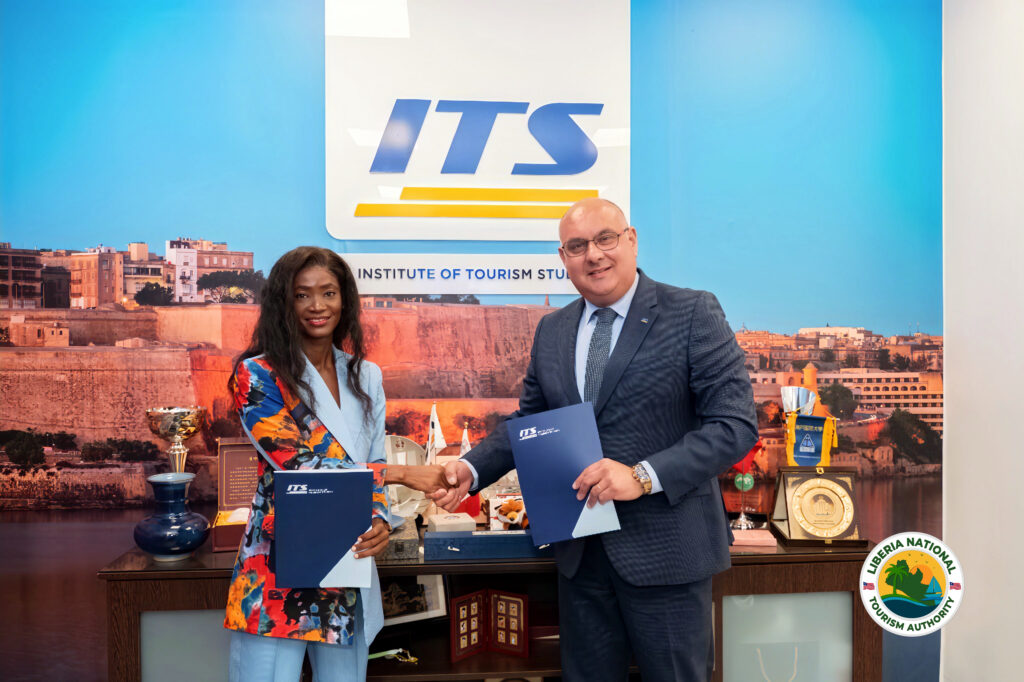
Valletta, Malta – April 13, 2026 — Malta, a European Union destination with a population of 520,000 has emerged as one of Europe’s leading tourism success stories, attracting over 4.5 million visitors annually and generating approximately €3-5 billion in tourism revenue, with the sector contributing an estimated 20 percent to its GDP.
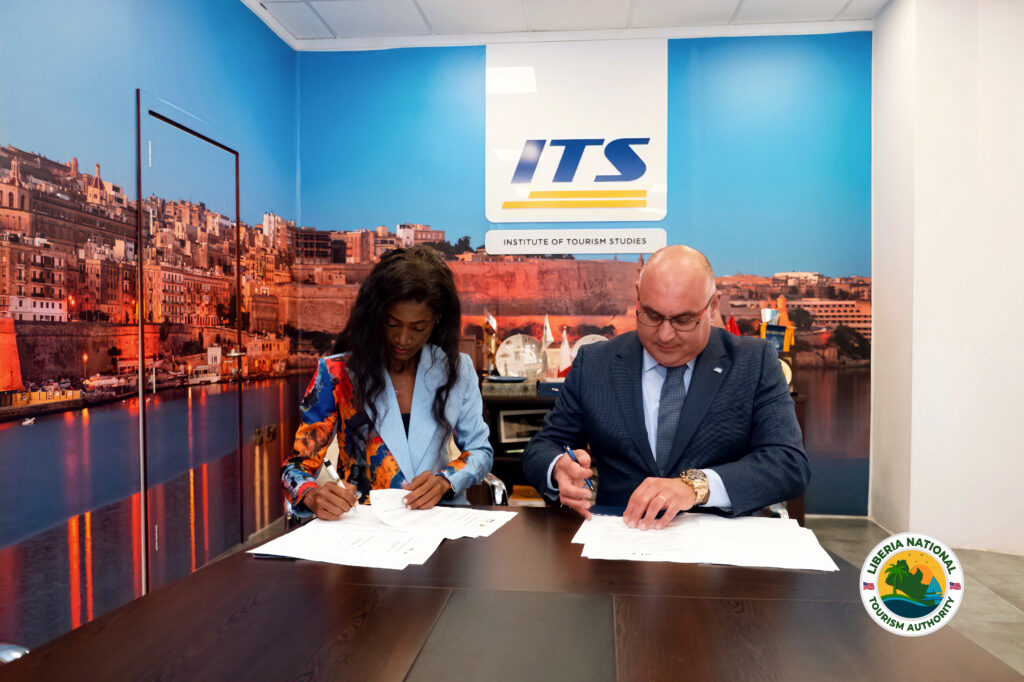
Leveraging its strategic Mediterranean location, strong human capital, and sustained investment in tourism development, Malta has positioned itself among Europe’s top destinations. It is against this backdrop that Liberia has decided to engage Malta following the recent four-day official mission of the Director General of the Liberia National Tourism Authority which offers Liberia a proven model for translating tourism assets into revenue, jobs, and sustained economic growth through structured partnerships and skills development.
Building on this momentum, Liberia has taken a bold step onto the global tourism stage, sealing a high-impact international partnership in Malta that is set to unlock jobs, transform skills, and reposition the country’s tourism sector for accelerated growth. The partnership is poised to drive tourism development and create new, tangible opportunities for Liberian youth.
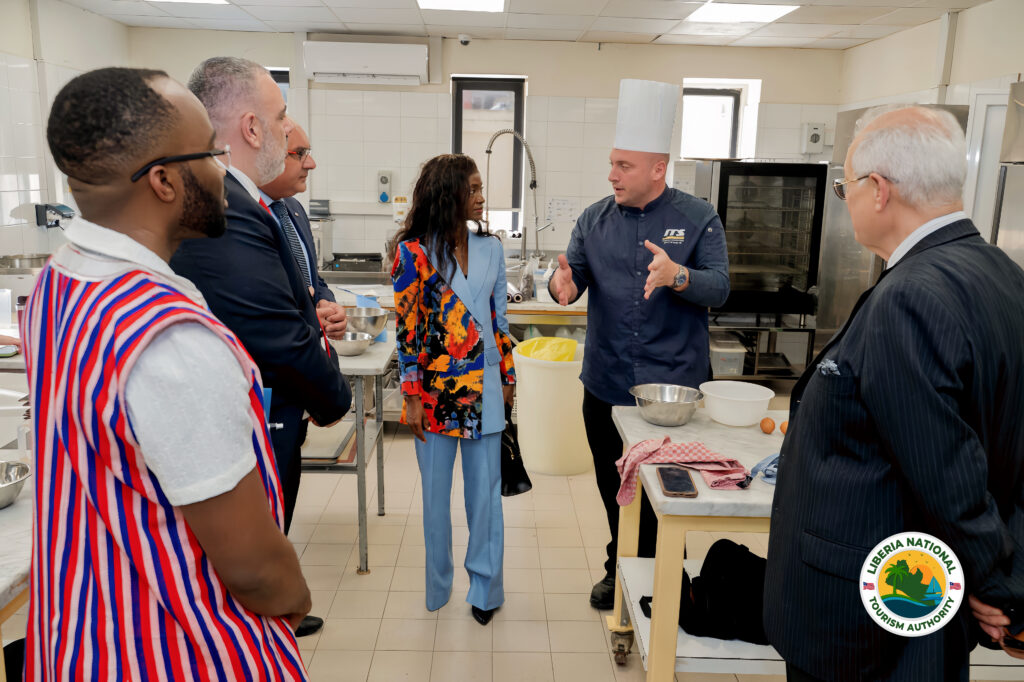
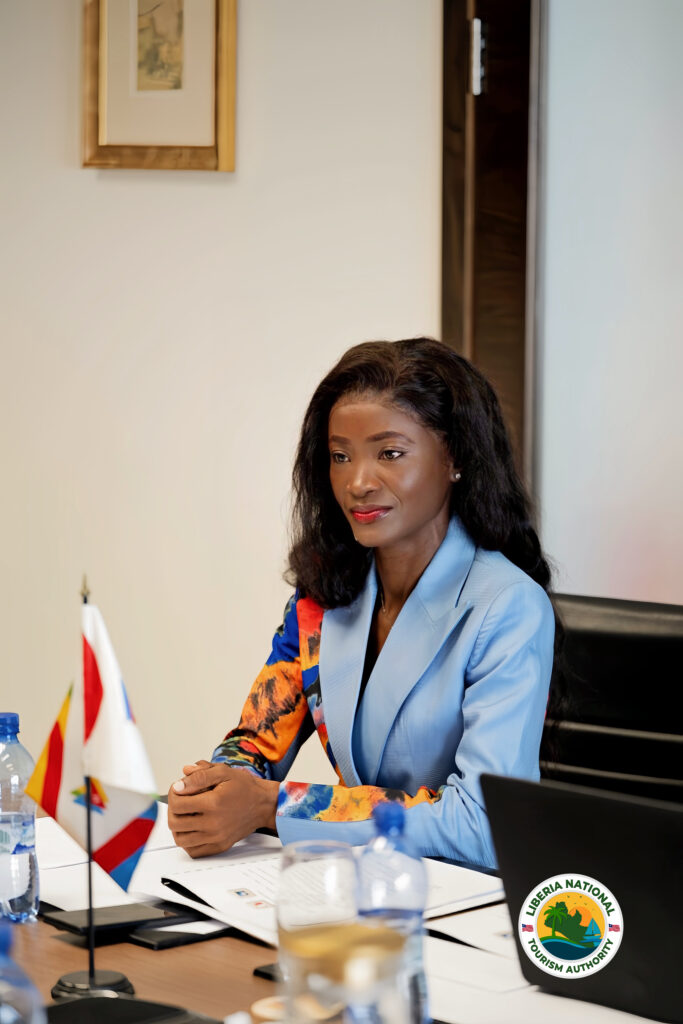
In a landmark move, the Liberia National Tourism Authority (LNTA), Director General Hon. Princess Eva Cooper, formalized a strategic five-year Memorandum of Understanding with the prestigious Institute of Tourism Studies (ITS) during her four-day visit. The agreement was signed alongside ITS Chief Executive Officer, Mr. Pierre Fenech, one of Europe’s foremost hospitality training institutions.
The five-year Memorandum of Understanding establishes a results-driven framework focused on skills development, employment pathways, and institutional strengthening. This partnership introduces a structured pipeline through which Liberian students will access international training, hands-on work experience, and career opportunities within Malta’s advanced tourism ecosystem. Participants will engage directly in real-world operations, gaining practical exposure to global service standards and returning with competencies critical to strengthening Liberia’s hospitality sector.
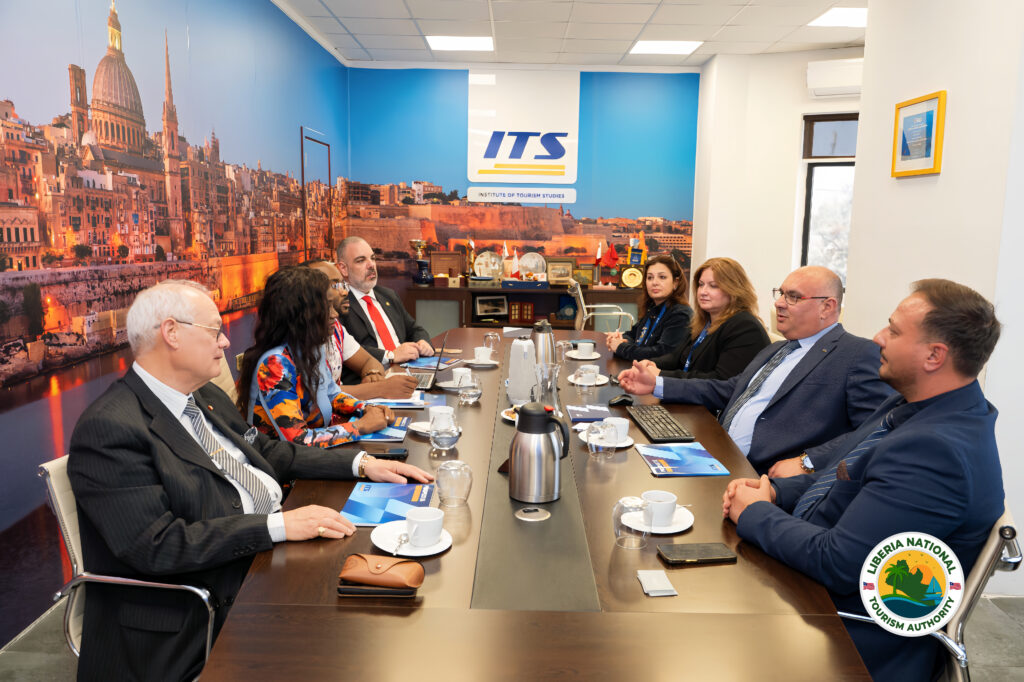
The partnership goes further than training, creating direct pathways to employment through placements in Malta’s hospitality sector. This includes opportunities with major operators such as AX Group, owners of eight hospitality chains, ensuring participants transition from the classroom into real, income-generating careers.
“This is not just an agreement; it is a gateway,” the LNTA Director General noted “A direct pipeline from Liberia to international opportunity.”
The impact does not stop in Europe.
Equally significant is the reciprocal component of the partnership. Experienced faculty and industry professionals from Malta will support curriculum development, training delivery, and institutional capacity building in Liberia. Ongoing discussions also point toward the potential establishment of a satellite campus of ITS in Liberia, a move that would localize access to internationally accredited tourism education.
The partnership adopts a dual-track approach, external training combined with domestic capacity development, designed to systematically close Liberia’s skills gap while building a sustainable workforce for the sector.
In furtherance of implementation, technical teams from Malta are expected to conduct comprehensive assessments across Liberia’s tourism value chain, focusing on service quality, operational systems, and product standards. These evaluations will guide targeted interventions to align Liberia’s tourism offerings with global benchmarks.
The framework also incorporates hybrid learning models, vocational training pathways, and a dedicated technical working group to oversee execution, ensuring that outcomes remain measurable and impact driven.
For Liberia’s youth, this initiative presents a clear and practical pathway from education to employment, and ultimately to entrepreneurship. In the context of persistent youth unemployment, the program offers a scalable model for job creation and skills transfer.
At the national level, the agreement strengthens Liberia’s positioning as an emerging tourism destination by enhancing human capital, improving service delivery, and fostering international collaboration. It further supports broader economic objectives by contributing to job creation, investment attraction, and increased sectoral revenue.
The outcomes of this mission send a strong signal: Liberia is positioning itself for structured tourism growth, backed by credible partnerships and a clear execution pathway.