The LNTA Sets Out to Reclaim the Nation’s Hidden Heritage Corridor

Liberia National Tourism Authority | Community-Based Tourism Unit | Monrovia, May 2026
Somewhere along the banks of the St. Paul River, five years before Liberia even had a name as a nation, a congregation gathered inside a small church and prayed. That church still stands today. Its walls are cracked in places. Its pews are worn smooth by generations of worshippers. And almost nobody outside of Clay Ashland knows it exists.
That is the story the Liberia National Tourism Authority is determined to change.
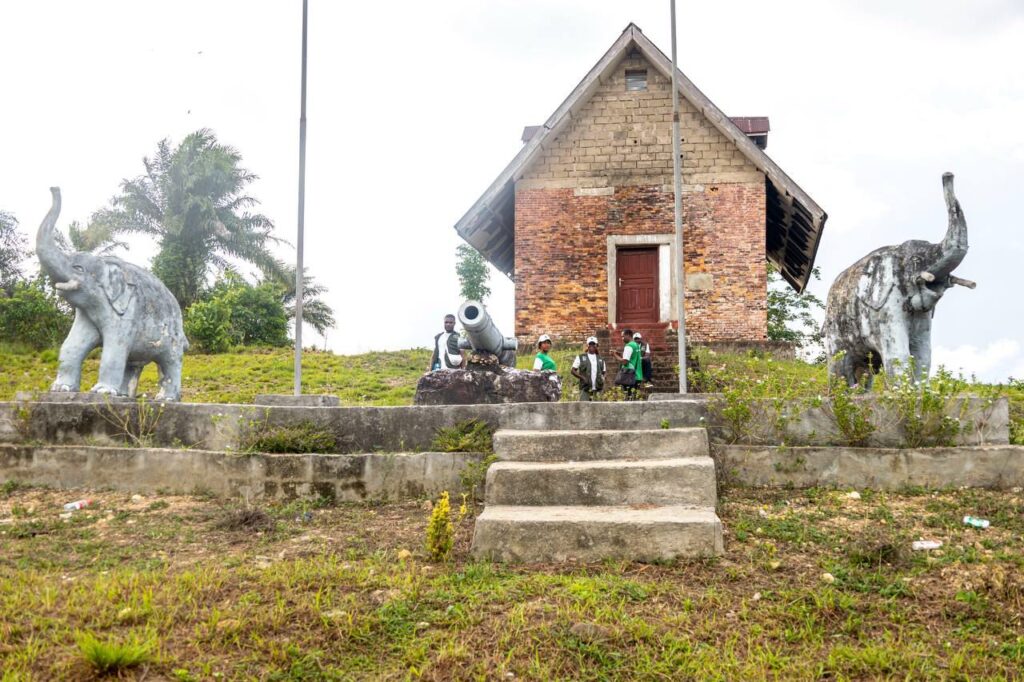
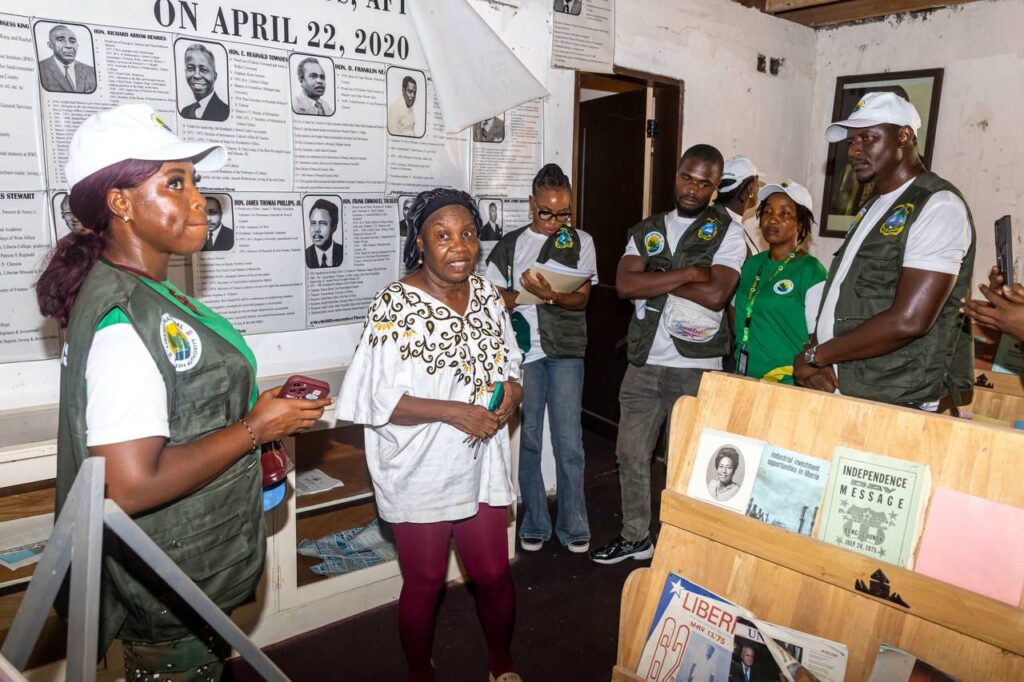
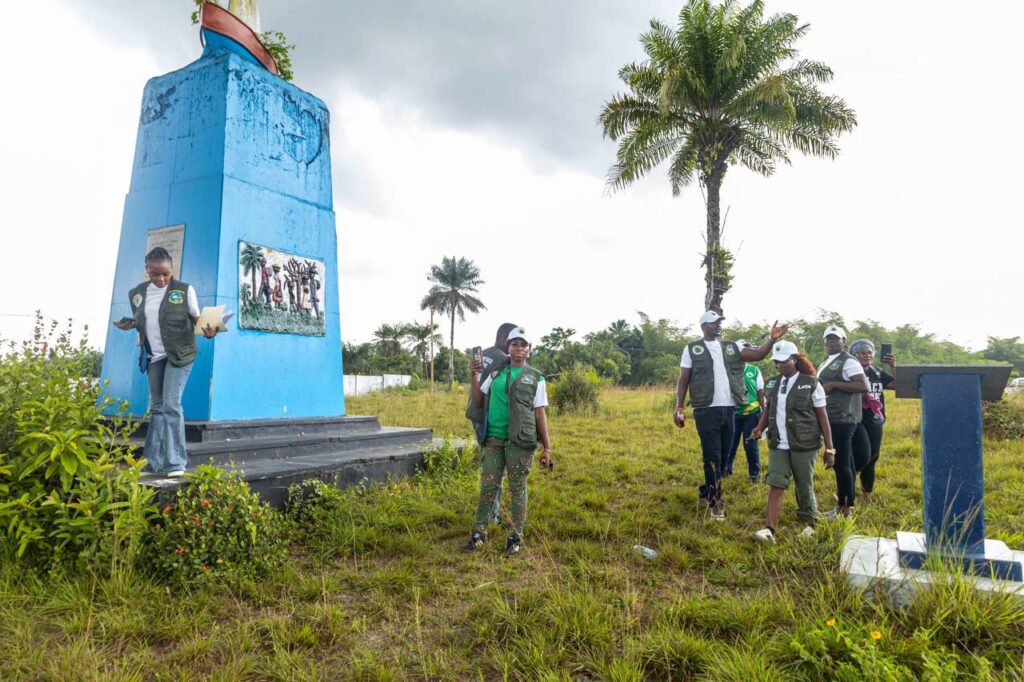
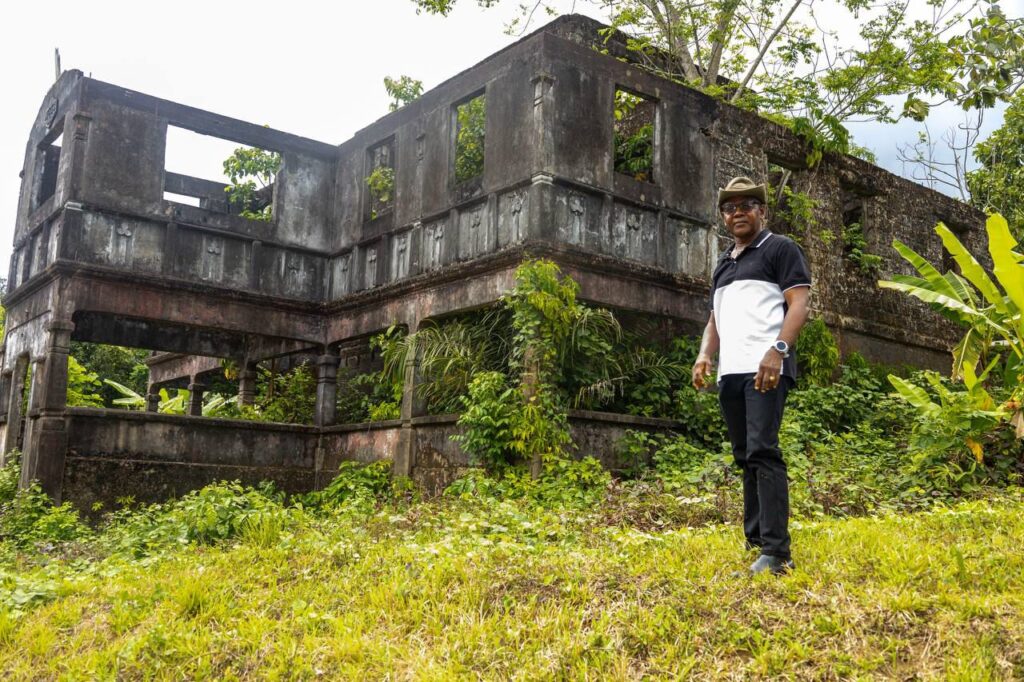
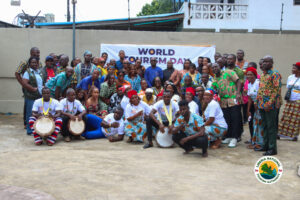
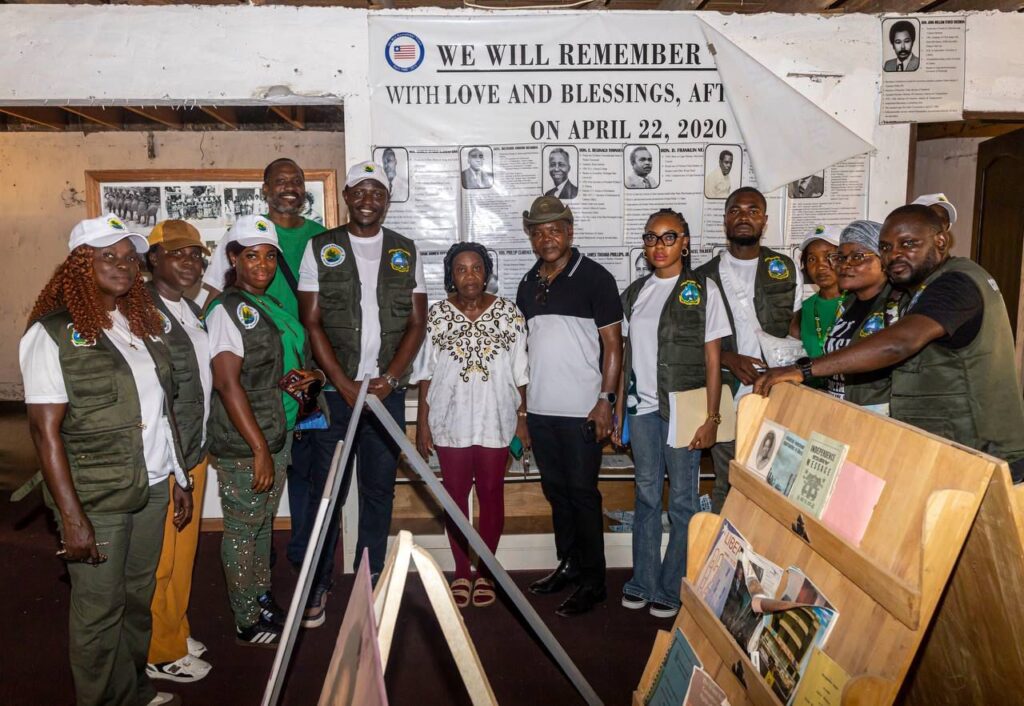
In May 2026, a team from the LNTA’s Community-Based Tourism Unit, operating under the direction of Director General Princess Eva Cooper and led by Deputy Director General Atty. Dogba K. Norris Jr., traveled a corridor that runs from Bentol through Bensonville, Croizierville, Harrisburg Township, Mount Coffee, Arthington City, Millsburg, Clay Ashland, and Virginia Township. The team came not as tourists, but as documentarians of a national inheritance that Liberia has not yet fully claimed.
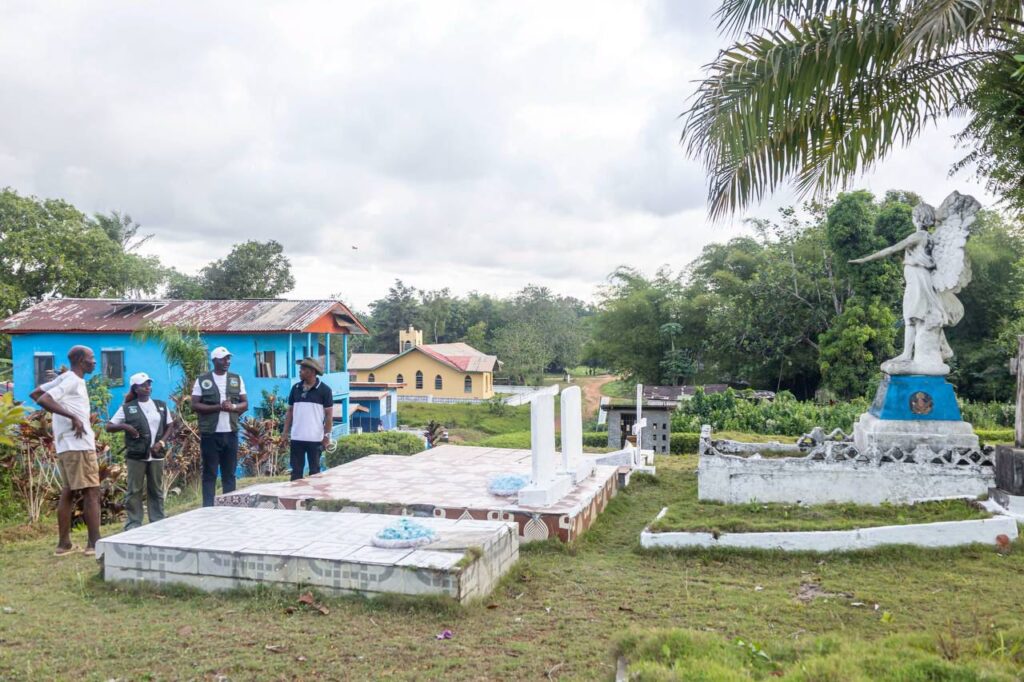
What they found was extraordinary. Not in the way that gleaming new infrastructure is extraordinary, but in the way that quiet, enduring truth is extraordinary. Communities with history so deep it predates the Republic itself. Civic spaces that once shaped the political destiny of a nation. Natural landscapes that have witnessed centuries of human striving along one of West Africa’s most storied rivers.
The question is no longer whether Liberia has the raw material for a world-class heritage tourism sector. The question is whether the nation will act before more of it is lost.
“Every community we entered was a living museum. The stories were there. They just needed someone to listen, document, and share them with the world.” Mayor Clarke (Arthington City)
Community-Based Tourism: The Model That Changes Everything
When most people hear the word tourism, they picture large hotels, international airlines, and visitors who fly in, spend their money at the airport, and fly out. That model exists. But it is not the model the LNTA is building for the communities along this corridor. The model is different. It is more powerful. And it is called Community-Based Tourism.
Community-Based Tourism, or CBT, is a development approach that places local communities at the absolute center of the tourism value chain. Under this model, the people who live in a heritage community are not bystanders to the tourism economy. They are its owners. They are its guides, its hosts, its storytellers, its cooks, its drivers, its craftspeople, and its beneficiaries. CBT does not extract wealth from a community in the name of tourism. It builds wealth inside the community because of tourism.
This distinction matters enormously for communities like Arthington, Clay Ashland, and Croizierville. These are not communities positioned to compete for five-star resort development. They are communities with something far more valuable: authentic history, genuine culture, living heritage, and the natural beauty of the St. Paul River corridor. Under a CBT model, those assets become the engine of an economic ecosystem that serves local residents directly.
A youth who grew up listening to stories about President Tolbert’s Bensonville home becomes a certified heritage tour guide. A farmer whose family has cultivated sugarcane for three generations begins packaging cultural farm experiences for visiting students and diaspora travelers. A women’s cooperative in Arthington prepares traditional meals for tour groups. A local craftsman in Millsburg produces handmade goods that carry the mark of an authentic Liberian heritage destination. These are not imagined futures. They are the documented results of CBT programs operating in comparable communities across West Africa, East Africa, and the Global South.
DG Princess Eva Cooper has made Community-Based Tourism a cornerstone of the LNTA’s institutional vision. Under her leadership, the LNTA has developed the policy frameworks, training infrastructure, and field assessment capacity to turn this vision into an operational reality. The May 2026 research excursion is evidence of that commitment in action.
Madam Serena Carter Parker, Supervisor for CBT-LNTA, who anchors the institutional dimensions of the CBT exercise has framed the stakes plainly: “the CBT model is not a soft development initiative. It is a jobs agenda. It is an investment agenda. It is a pathway to economic dignity for communities that have been waiting a long time for an economy that includes them. When Liberia’s heritage assets are properly mapped, developed, and connected to domestic and international visitors, the resulting economic activity is broad-based by design. It does not concentrate at the top. It distributes.”
“Community-Based Tourism does not ask communities to stand aside while the tourism economy develops around them. It asks them to lead it.” Serena Carter Parker (CBT Supervisor)
Anchored in the ARREST Agenda: Tourism as an Economic Driver
The LNTA’s heritage corridor work does not exist in isolation from Liberia’s broader national development strategy. It is a direct expression of President Joseph Nyuma Boakai’s ARREST Agenda, which identifies Agriculture, Roads, Rule of Law, Education, Sanitation, and Tourism as the six pillars of Liberia’s economic transformation.
Tourism’s inclusion in the ARREST Agenda is a significant policy signal. It communicates that the national government understands tourism not as a luxury amenity, but as a genuine economic sector with the capacity to generate employment, attract foreign exchange, stimulate infrastructure development, and elevate Liberia’s profile on the global stage.
The corridor assessed during this excursion is a living demonstration of how two ARREST pillars, Agriculture and Tourism, converge rather than compete. Every community along the St. Paul River corridor is primarily agricultural.
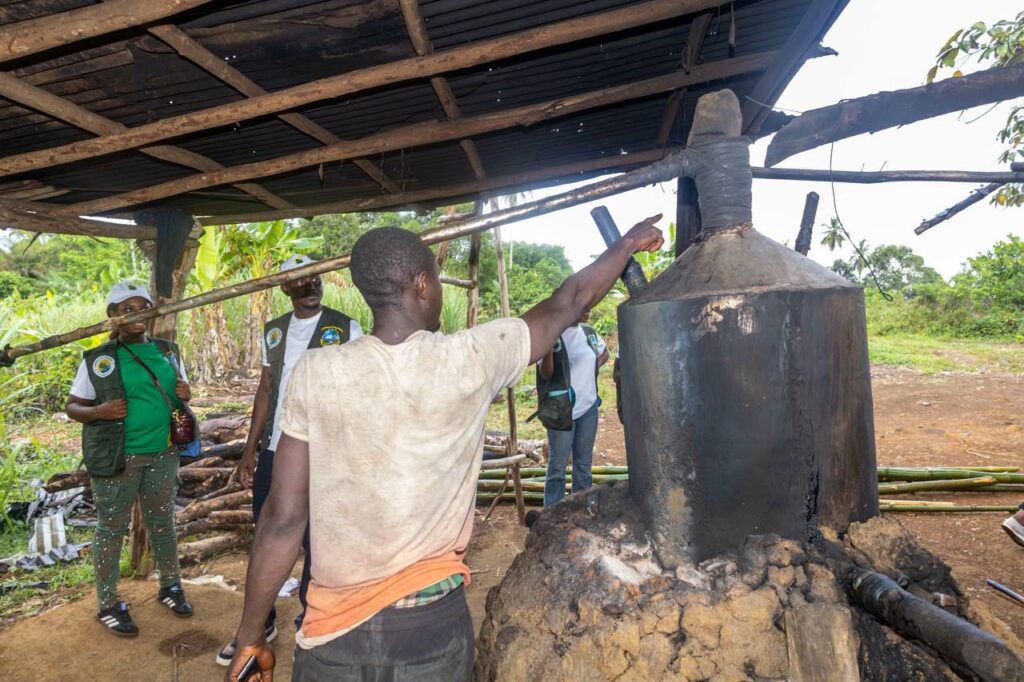
The sugarcane fields, the rum production heritage, the riverside smallholder farms, and the labor gap that currently leaves agricultural potential untapped are all present. Community-based heritage tourism does not displace that agricultural identity. It deepens it. It gives travelers a reason to come and experience that identity firsthand, and it gives communities a reason to preserve and invest in it.
For investors and development partners evaluating opportunities within the ARREST Agenda framework, the heritage corridor along the St. Paul River deserves serious attention. The tourism assets are real. The community infrastructure is present. The policy alignment is strong. What is needed now is sustained investment in site development, tourism training, road access, and destination marketing.
The Corridor: Town by Town, Story by Story
The research team, accompanied throughout by Mayor Romeo R. Clarke of Arthington City, whose intimate knowledge of the corridor proved indispensable, moved from community-to-community documenting sites with heritage tourism potential. Mayor Clarke’s narrations and introductions to key local figures gave the team access to layers of history that no written record alone could provide.
Bensonville: Presidential Memory and a Courtyard Waiting to Speak
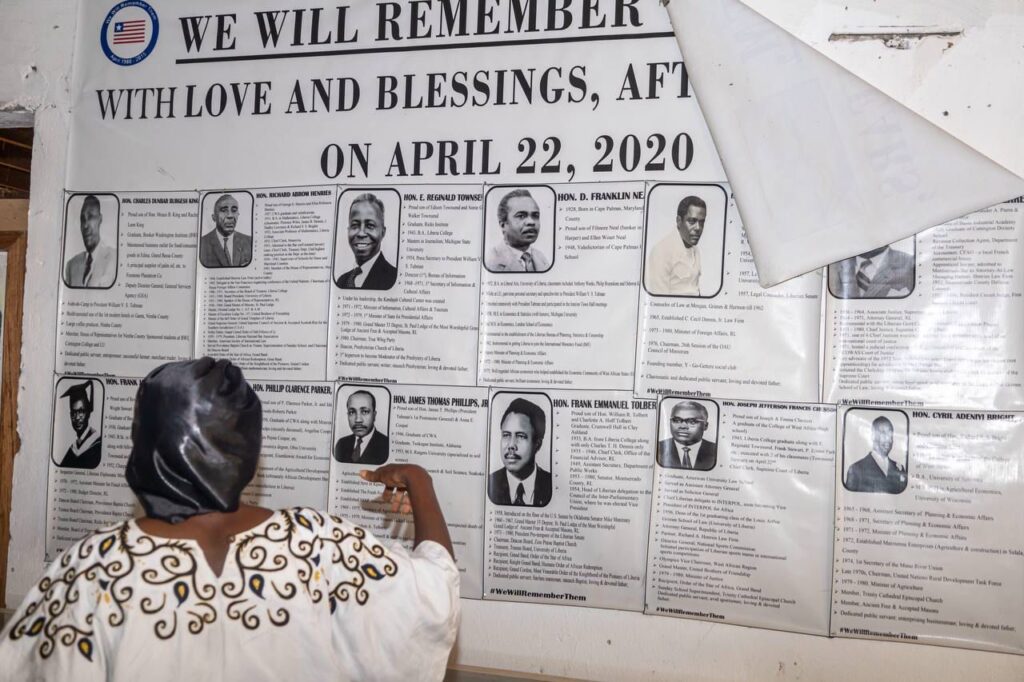
Bensonville is home to the William R. Tolbert Residence, proposed as a future national historical library and museum. President Tolbert, Liberia’s 20th President, is connected to this community by roots that run deep, and his former home represents a rare opportunity to anchor presidential heritage tourism outside of Monrovia.
The Bensonville Administrative Building also caught the team’s attention for an unexpected reason. Its courtyard is spacious, well-proportioned, and genuinely beautiful in atmosphere. Yet it has no monument, no installation, no heritage marker of any kind. This is not a deficiency. It is an invitation.
A courtyard of this character, in a community of this historical weight, is a future outdoor cultural gallery waiting to happen. For students of political history, architecture, and governance, Bensonville is a destination with significant undeveloped potential.
Croizierville: The Caribbean Connection That Made Two Liberian Presidents
Croizierville contains what may be one of the most globally compelling heritage sites in all of Liberia: Barbados Square, which commemorates the Barbadian origins of Presidents Arthur Barclay and Edwin James Barclay, Liberia’s 16th and 18th Presidents respectively.
The story is remarkable by any measure. Two men, born on a Caribbean island, migrated to Liberia and each reached the highest office in the land. Barbados Square is therefore not merely a local monument. It is a landmark of African Diaspora history with genuine international significance. For Caribbean travelers, scholars of Pan-African migration, and institutions researching the Atlantic world, Croizierville is a destination that connects Liberia to a story that spans continents. It deserves far greater visibility than it currently receives.
Arthington City: A Community That Has Preserved Its Own Heritage
Of all the communities visited, Arthington City most fully demonstrates what is possible when a community retains pride in its own history. Under Mayor Romeo R. Clarke’s stewardship, Arthington has preserved an unusually complete set of civic and religious institutions that together offer a coherent heritage tourism experience.
The Arthington Picnic Ground along Decent Creek is a natural gathering space of genuine beauty that could anchor eco-tourism and educational retreat programming. The Mount Camel AME Church and St. Paul Baptist Church along Arthington Main Street are living institutions whose histories span more than a century of community life. The Town Hall and Magisterial Court represent a tradition of civic governance that is both historically significant and practically illustrative for students of Liberian law and government.
Arthington rewards the traveler who moves slowly, listens carefully, and allows the community to tell its story on its own terms. That is exactly the kind of tourism experience that CBT is designed to cultivate.
Clay Ashland and Millsburg: Where the Republic Was Not Yet Born, But the Church Already Was
St. Peters United Methodist Church in Clay Ashland was established in 1842, five years before Liberia declared independence. To stand inside it is to stand in a structure that is older than the nation itself. For anyone who takes Liberian history seriously, this is not simply a church. It is one of the oldest standing institutions in the country, and it deserves national recognition as such.
Clay Ashland also holds the First Baptist Church and Grace Episcopal Church, the latter being the burial site of President William D. Coleman, Liberia’s 14th President. The combination of pre-independence religious architecture and presidential heritage makes Clay Ashland one of the most concentrated heritage destinations on the entire corridor.
Millsburg Township serves as the natural gateway into Clay Ashland, and Virginia Township rounds out the journey with its own quiet historical character. Together, these communities form the southern anchor of a corridor that has the coherence and depth to support multi-day educational and heritage tourism programming.
Agriculture, Jobs, and the Economic Case for Heritage Tourism
Agriculture is the primary economic activity across every community along this corridor. It is also where the most significant labor gap exists. Farms are underproductive not because the land is poor, but because mechanized farming capacity is limited and the rural economy does not yet offer the diversity of livelihoods needed to retain working-age residents.
Heritage tourism addresses this directly. A functioning CBT economy along the St. Paul River corridor creates jobs that do not require residents to leave their communities. Tour guide certification programs create skilled employment for young people. Hospitality services from accommodation to catering generate income for families. Cultural demonstration activities, including traditional sugarcane processing and rum production heritage experiences, create market value from practices that communities are already engaged in. Craft, Quilt making and souvenir production provides supplementary income for artisans.
The economic multiplier effect of heritage tourism in rural communities is well-documented across the continent. When a visitor spends money at a heritage destination, that money circulates through the local economy in ways that foreign-owned resort tourism rarely achieves. CBT keeps the value local. It builds community wealth rather than extracting it.
This is precisely the kind of inclusive growth that the ARREST Agenda envisions. And it is the economic logic that underpins the LNTA’s commitment to this corridor.
An Ongoing Process: This Assessment Has Only Just Begun
It must be clearly stated: the May 2026 research excursion is not a conclusion. It is a beginning. The LNTA’s Heritage Asset Mapping initiative is a structured, nationwide, ongoing process. The communities visited along the St. Paul River corridor represent one chapter of what will become a comprehensive national inventory of Liberia’s tangible heritage assets.
Each site documented during this excursion will be formally entered into the LNTA’s MEL Data Suite Heritage Asset Database, a purpose-built system designed to support evidence-based tourism planning, heritage conservation, and investment prospecting. The database will grow with each subsequent field assessment, creating a living record of Liberia’s cultural and historical wealth.
Communities across Liberia that have not yet received a visit from the CBT Team should expect one. The LNTA’s mandate does not end at the outskirts of Monrovia. Every county, every district, every community with a story to tell is within the scope of this initiative. No asset is too small. No community is too remote. The map of Liberia’s heritage is incomplete, and the LNTA intends to complete it.
DG Princess Eva Cooper has committed the institution to this work with the full weight of her leadership: the LNTA is building a tourism sector that starts with people and with places. The mapping work is the foundation. The development work follows. And the economic transformation, for communities that have waited long enough, is what the LNTA is ultimately here to deliver.
An Invitation to Communities, Partners, and Investors
The Liberia National Tourism Authority extends an open invitation to community leaders, local historians, traditional authorities, diaspora members, development finance institutions, and private investors to engage with this initiative at every stage.
For community leaders: if your community holds historical sites, cultural landmarks, natural heritage assets, or stories that have not yet been told to a wider audience, the LNTA CBT Team wants to hear from you. This initiative belongs to Liberia’s communities. The LNTA is the facilitator. You are the owners.
For investors and development partners: the heritage corridor along the St. Paul River is ready for serious attention. The assets are documented. The policy framework is in place. The community buy-in, demonstrated by the enthusiastic participation of leaders like Mayor Romeo R. Clarke, is real. What is needed now is investment in the infrastructure, the training, and the marketing that will turn potential into a functioning destination economy.
Liberia’s tourism future will not be built in boardrooms. It will be built in courtyards in Bensonville, along riverbanks in Arthington, inside century-old churches in Clay Ashland, and in the hands and voices of communities that have been keeping these stories alive without recognition for far too long.
The LNTA is here. The communities are ready. The work has begun.