DRAG
#LNTA

16 Tribal Masks

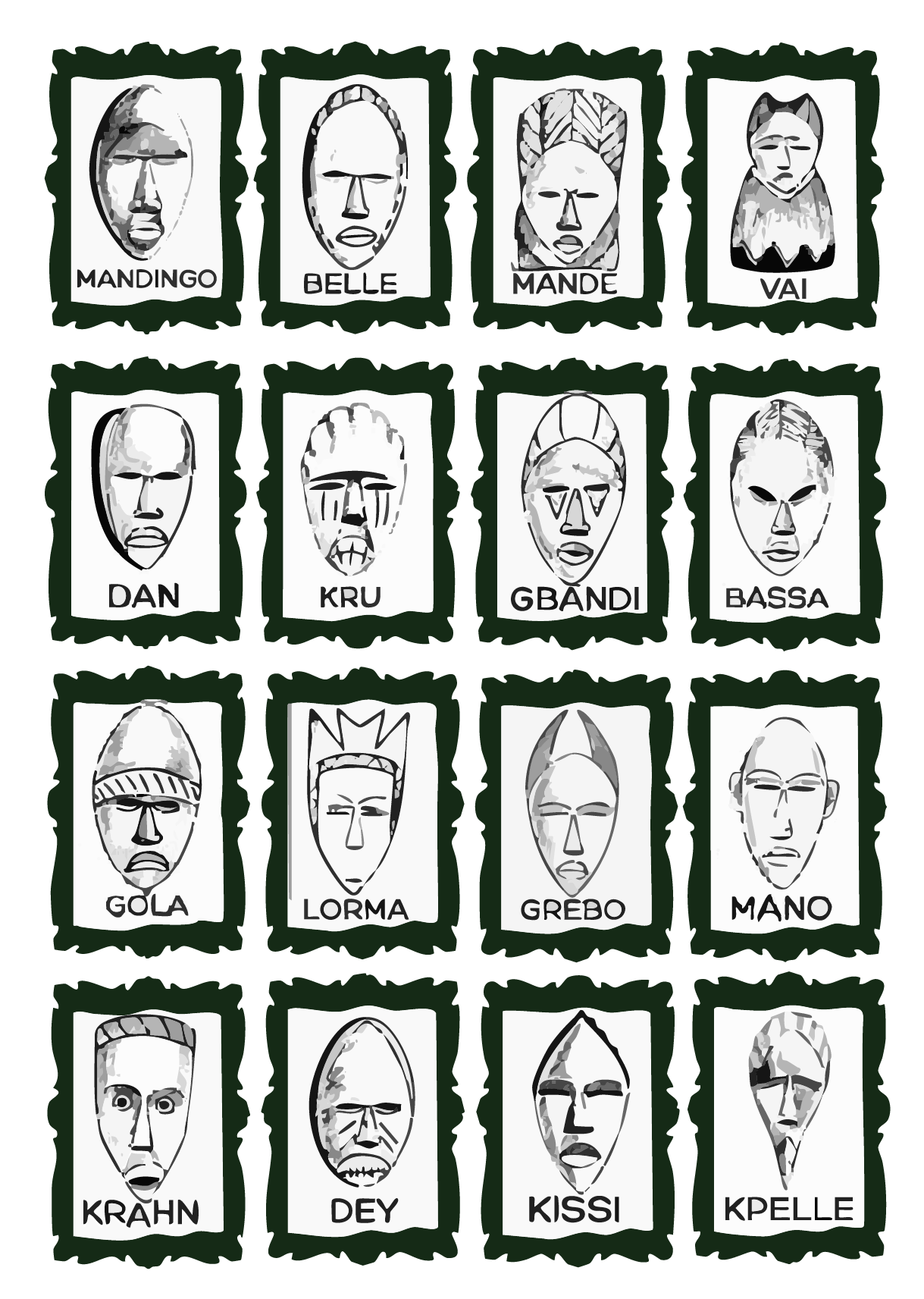
Liberia’s Sixteen Tribal Masks

Liberia’s Sixteen Tribal Masks reflect the country’s rich cultural diversity and shared heritage. Representing sixteen indigenous peoples with distinct languages and traditions, these masks emerge from a common forest-belt culture where art has always carried social meaning and responsibility. In Liberia, masks are not created for decoration alone; they are deeply embedded in community life, serving as tools for education, social order, and cultural continuity.

For generations, masking traditions have played a central role in rites of passage, particularly during the transition into adulthood. Through dance, music, and performance, masks communicate history, moral values, and communal discipline. They appear during important ceremonies to guide behavior, reinforce respect for elders, and strengthen unity within the community. The significance of masking is closely linked to Liberia’s traditional institutions, including the men’s Poro and the women’s Sande societies, where the appearance of a mask is understood not as an individual in costume, but as a recognized presence carrying authority, wisdom, and responsibility.

Displays or references to the “Sixteen Tribal Masks” today are often symbolic representations of these cultural groups. In some cases, they are modern or standardized carvings created for educational or tourism purposes, while in others they draw inspiration from authentic masking traditions found across Liberia and the wider Upper Guinean forest region. Together, they offer visitors an entry point into understanding Liberia’s cultural identity, where heritage is lived, performed, and passed from one generation to the next.

16 Tribal Masks Page 1